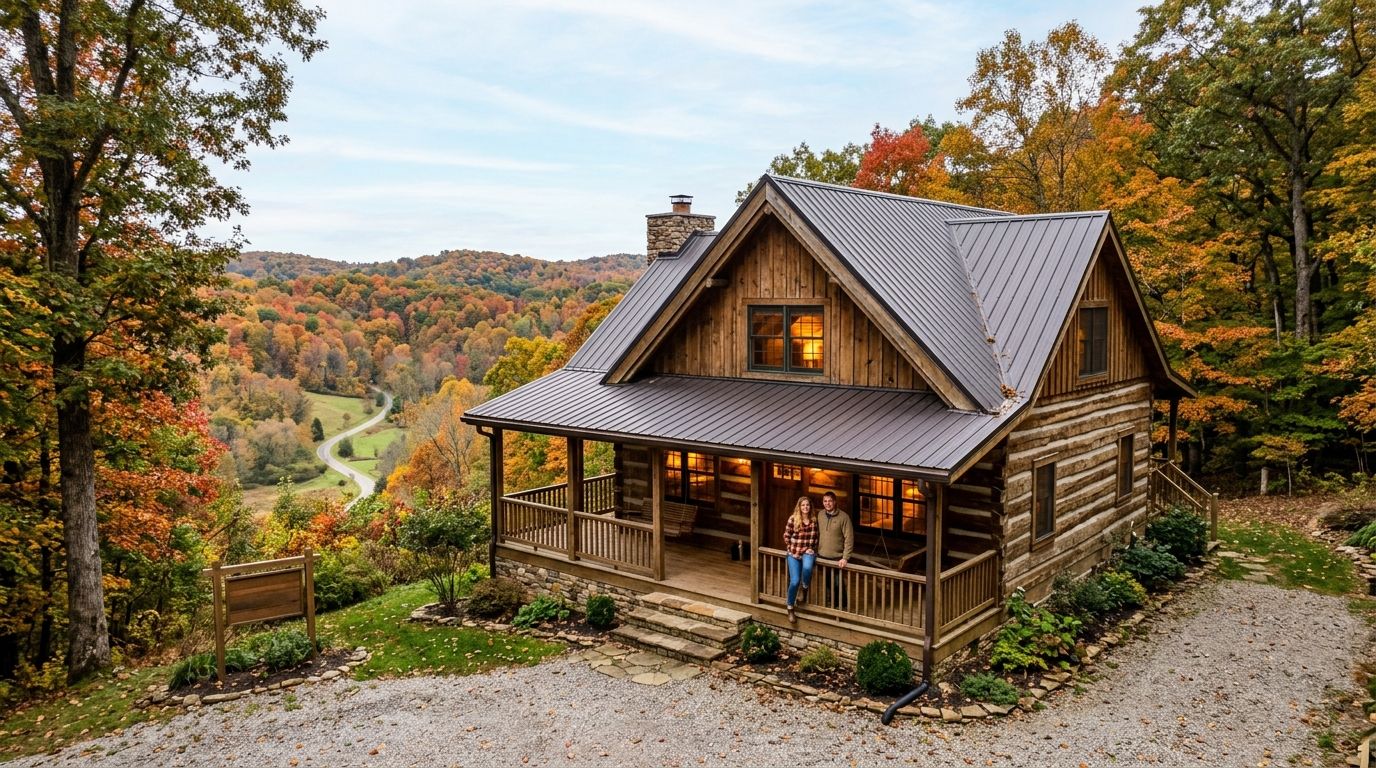
Buying a log cabin in Southern Ohio works like any home purchase with three extra layers bolted on: financing that not every lender wants to touch, insurance underwriting that treats log construction differently than vinyl siding, and land questions — well, septic, acreage — that a subdivision sale skips entirely. Get those three lined up before you fall for a cabin on a hillside outside Otway, and the rest of the transaction moves like a normal sale.
- Financing a log cabin usually means conventional, USDA Rural Development, or a renovation/construction loan — not every lender underwrites log construction.
- Well and septic verification is non-negotiable in rural Scioto County cabins; skip it and you inherit someone else's problem.
- Insurance carriers price log cabins differently than standard-frame homes, so confirm coverage before you write an offer.
- Joey Sandlin has spent 20+ years closing rural and cabin sales across Portsmouth, Wheelersburg, Lucasville, Otway, Rarden, and South Webster.
Why this matters
A log cabin sale falls apart most often at financing or inspection, not at negotiation. Lenders that handle standard homes without blinking sometimes decline log construction outright, and buyers who don't check that early lose weeks — sometimes the cabin — waiting on a loan that was never going to close.
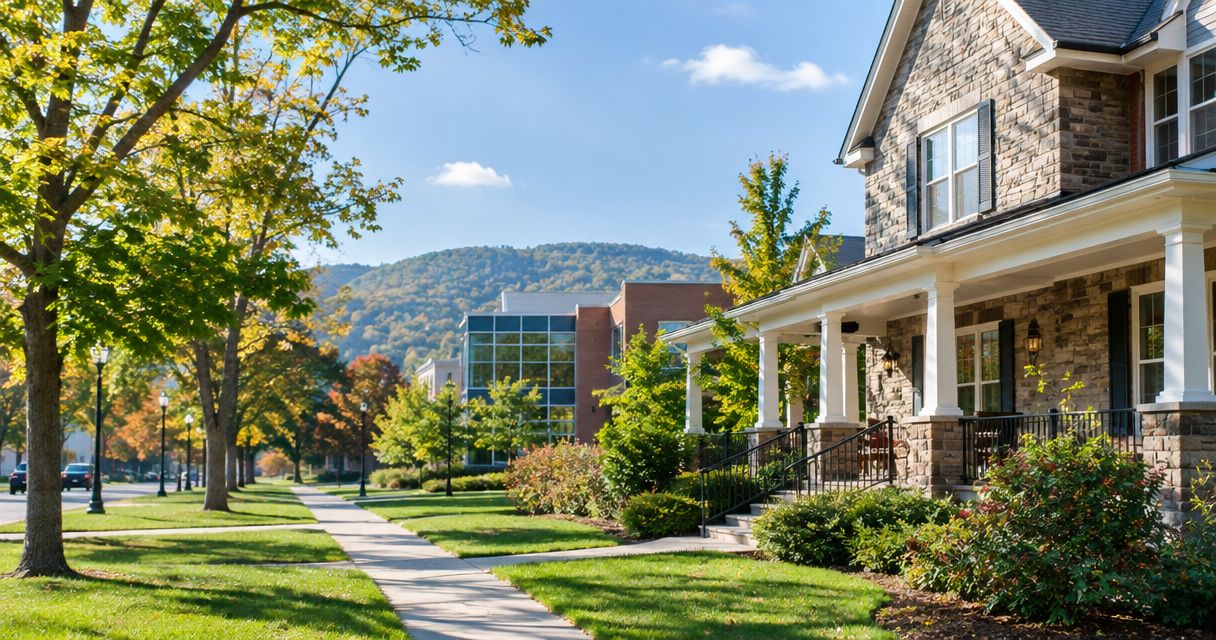
Southern Ohio adds its own wrinkle: most log cabins here sit on acreage with private wells and septic systems rather than municipal utilities. That means the purchase touches parts of due diligence a typical in-town home purchase never requires. Land for sale in Portsmouth, Ohio and cabin listings often overlap for exactly this reason — buyers end up evaluating raw acreage and structure at the same time.
How to buy a log cabin in Southern Ohio: the process
- Confirm financing before you tour cabins. Call a lender and ask specifically whether they underwrite log construction — not every conventional lender does, and finding out after you've made an offer wastes time.
- Verify well and septic systems. Request a septic inspection and a well flow/quality test as contingencies. Rural cabins can run on decades-old systems that never surface in a standard home inspection.
- Order a structural log inspection. A general home inspector checks the roof and electrical; a log-specific inspection checks chinking, checking (splits), rot at the sill logs, and insect damage — problems standard inspectors sometimes miss.
- Confirm insurance availability before writing an offer. Some carriers won't write policies on log homes over a certain age or without recent chinking maintenance. Get a quote before your offer, not after.
- Check zoning and acreage restrictions. Cabins on unrestricted rural land can carry different setback and outbuilding rules than platted subdivisions — worth confirming before you plan a garage or workshop.
- Close with a title company that handles rural transfers. Acreage parcels sometimes carry easements, mineral rights, or right-of-way issues that a downtown-only title office may not flag as fast.
Financing a log cabin: which loan works
| Financing type | Best for | Key requirement |
|---|---|---|
| Conventional mortgage | Buyers with strong credit purchasing an existing, appraisal-ready log cabin | Lender must accept log construction as a comparable property type |
| USDA Rural Development loan | Buyers purchasing in USDA-eligible rural areas of Scioto County | Property must sit inside a designated rural zone and meet condition standards |
| Renovation or construction loan | Buyers building new or substantially renovating an older cabin | Funds release in draws tied to completed construction milestones |
- Conventional mortgage: Buy if the cabin is move-in ready and your lender confirms upfront they'll underwrite log construction.
- USDA Rural Development loan: Buy if you qualify on income and the property sits in an eligible rural tract — common across Scioto County.
- Renovation/construction loan: Hold until you have firm contractor bids; draws move slower than a standard mortgage and delays are common.
Why log cabin costs and terms vary
- Log species and treatment history — pine, cedar, and oak age differently, and a cabin without recent sealant maintenance needs work sooner.
- Roof age and chinking condition — the two most common repair items inspectors flag on older cabins.
- Well depth and septic system age — deeper wells and newer septic systems generally mean fewer near-term repairs.
- Acreage size — more land usually means more due diligence on boundaries, easements, and zoning.
- Insurance carrier availability — fewer carriers write log home policies, which can narrow your options and affect timing.
- Financing type — a USDA loan, conventional mortgage, or construction loan each carry different closing timelines.
Is a log cabin harder to finance than a regular house?
It can be, because not every lender underwrites log construction the way they do standard-frame homes. Confirming with a lender before you shop narrows your search to cabins you can actually finance.
Do log cabins hold their value in Southern Ohio?
Well-maintained cabins with documented chinking and roof upkeep tend to hold buyer interest better than neglected ones, since deferred maintenance on log construction shows up fast in inspections. A cabin's location — proximity to Portsmouth, the Ohio River, or established communities like Wheelersburg — also affects resale demand.
What insurance do I need for a log cabin?
Most log cabins need a specialty or modified homeowners policy rather than a standard policy, since carriers assess fire and moisture risk differently for log construction. Get a quote during your due diligence period, not after closing.
Septic and well questions come up on nearly every rural Southern Ohio cabin sale. If you haven't reviewed how these systems get evaluated, the guide on buying a home with a septic system in Southern Ohio and the companion piece on homes with well water cover what inspectors actually test and what a failed result means for your offer.
Get local cabin-buying guidance
20+ years representing Southern Ohio buyers and sellers, from Portsmouth to Rarden.
FAQ
What's the best way to finance a log cabin purchase in Southern Ohio?
A conventional mortgage works if the cabin is move-in ready and the lender confirms upfront they'll underwrite log construction. USDA Rural Development loans are a strong option in eligible rural tracts of Scioto County, and renovation or construction loans fit buyers building new or renovating an older structure.
Is a log cabin more expensive to insure than a standard home?
Log cabins often cost more to insure because fewer carriers write policies on log construction and underwriters weigh fire and moisture risk differently. Get a quote during your due diligence period so it never becomes a surprise after closing.
Do I need a specialized inspector for a log cabin?
Yes, a log-specific inspection checks chinking, sill log rot, and insect damage that a standard home inspector may not evaluate closely. Pair it with a regular home inspection covering roof, electrical, and mechanical systems.
Can I get a USDA loan for a log cabin in Scioto County?
Yes, as long as the property sits inside a USDA-eligible rural zone and meets condition standards, and you qualify on household income. Confirm eligibility on the specific parcel before you make an offer, since boundaries shift by area.
How much land typically comes with a log cabin listing in Southern Ohio?
Acreage varies widely by listing, from small in-town lots to multi-acre rural parcels common around Otway, Rarden, and South Webster. Larger acreage usually adds more due diligence around boundaries, easements, and septic placement.
Should I buy an existing log cabin or build new?
An existing cabin with documented maintenance history is faster to finance and close, while building new gives you control over layout but requires a construction loan with draw-based funding. Buyers on a tighter timeline generally do better with an existing structure.
One last thing
Most rural Southern Ohio cabin sales that stall do it over the well, not the logs. Buyers focus their attention on chinking and roofline and skip a flow test on a well that hasn't been checked in years — then find out at closing that output drops during dry months. Order the well test the same week you order the septic inspection, not after.