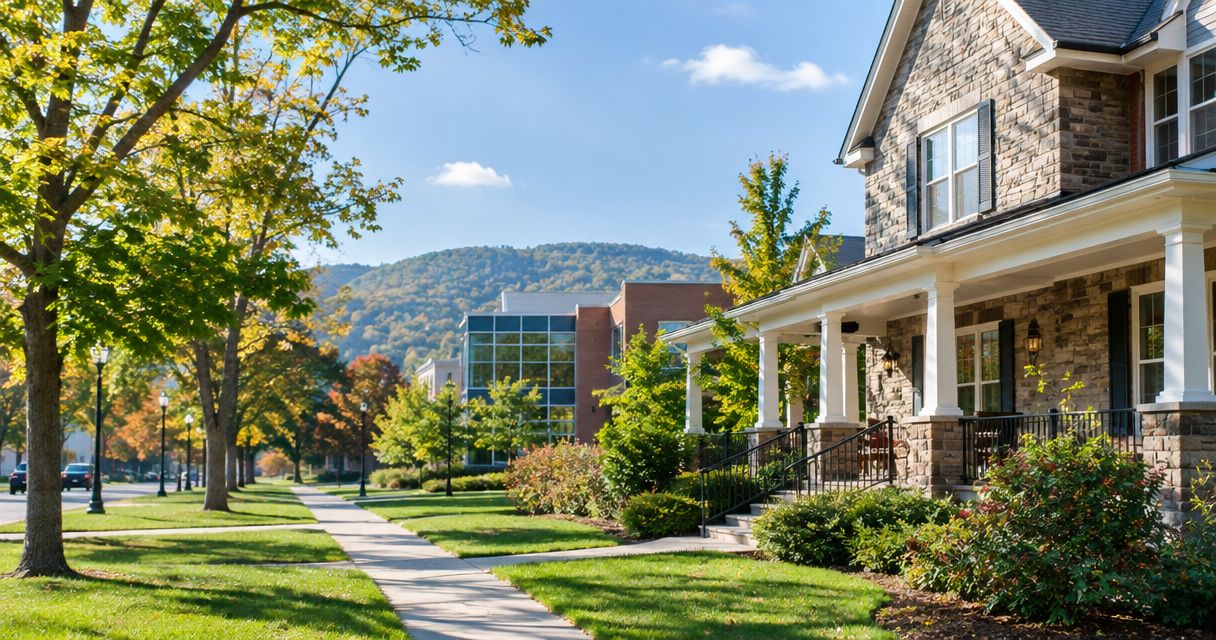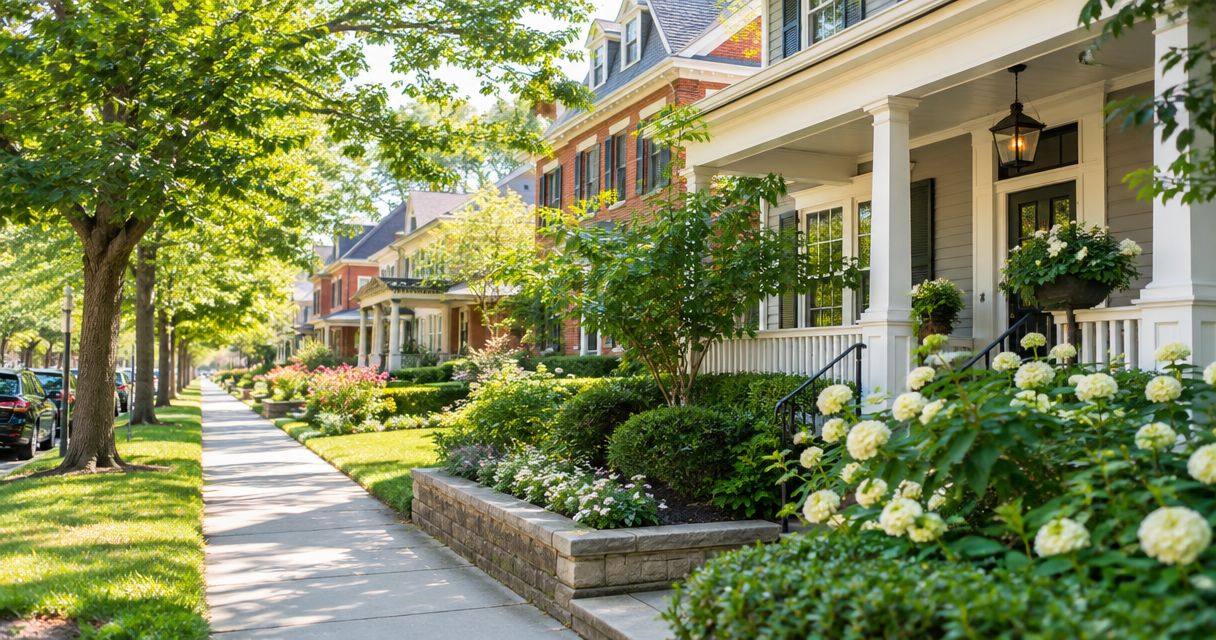
Hyde Park's walkable square, historic housing stock, and short run into downtown Cincinnati keep listings there moving fast — which means buyers who get outbid need a real short list, not a vague "similar vibe" guess. Six Cincinnati-area neighborhoods replicate specific pieces of what Hyde Park offers in 2026, from Mount Lookout's matching architecture to Indian Hill's acreage lots.
- Mount Lookout is the closest match among neighborhoods like Hyde Park Cincinnati offers in 2026.
- Oakley delivers similar walkability and housing stock at a more attainable entry point.
- Wyoming wins on public schools; Indian Hill wins on lot size and privacy.
- Mariemont and Terrace Park trade walkability for small-town planning and quiet streets.
- Six neighborhoods, six different trade-offs — none duplicate Hyde Park exactly.
Why this matters
Buyers who love Hyde Park but keep losing listings there usually default to "just look everywhere east of downtown," which wastes weekends touring homes that don't actually match what they wanted. The neighborhoods below share specific traits with Hyde Park — a walkable square, pre-war housing stock, a strong school boundary, or mature tree cover — instead of a general reputation. If walkability is the priority, start with the walkable Cincinnati neighborhoods that actually rank on foot-traffic and retail mix, not just proximity to Hyde Park on a map.
Best overall Hyde Park alternative: Mount Lookout. Best for a more attainable entry point: Oakley. Best for top-rated public schools: Wyoming. Best for historic planning and small-town charm: Mariemont. Best for quiet streets and a slower pace: Terrace Park. Best for privacy and large lots: Indian Hill.
What makes a neighborhood like Hyde Park
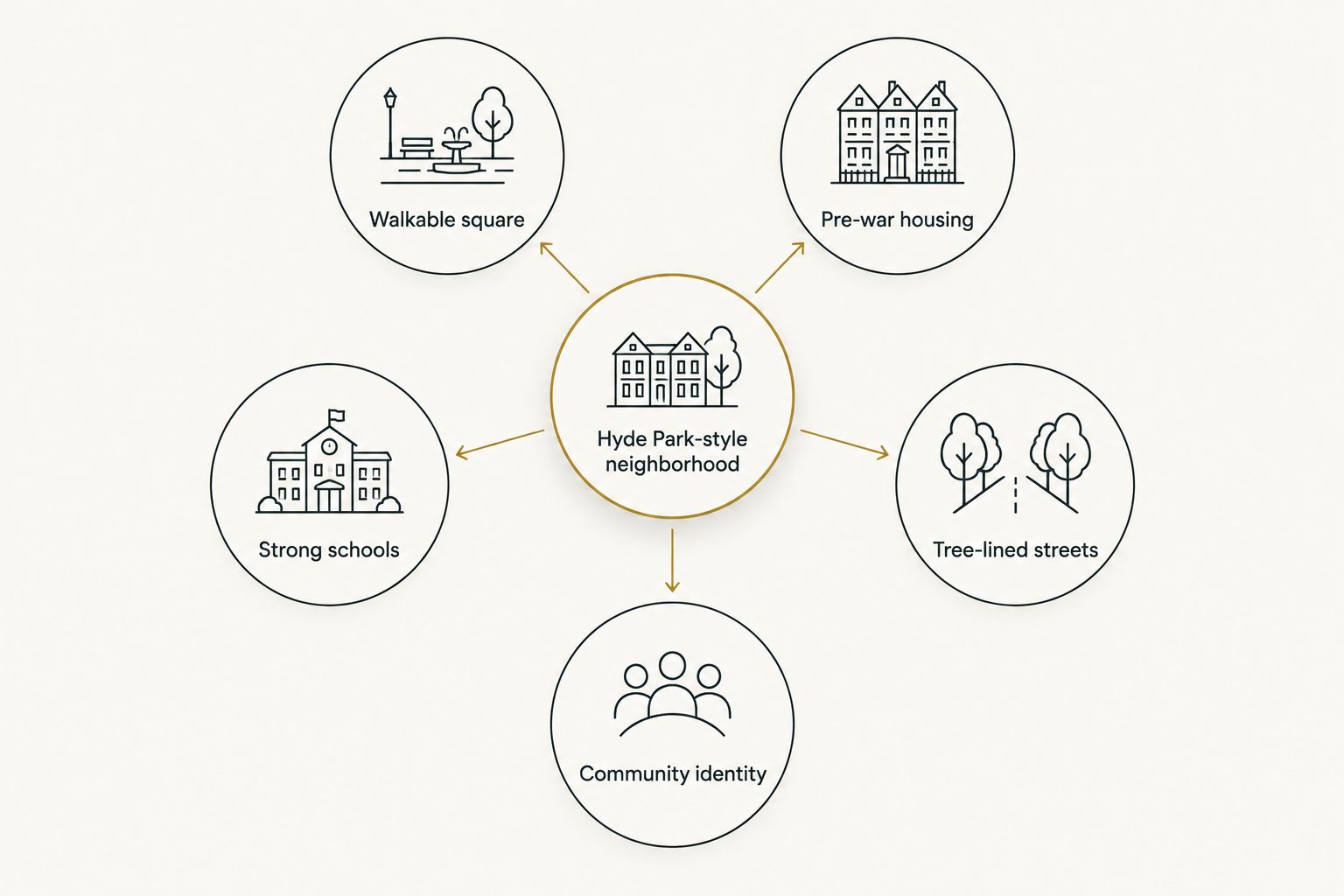
Hyde Park works because of a specific combination of traits, not one single feature. Any comparable neighborhood in 2026 should hit most of these:
- A walkable square or business district with local retail and restaurants
- Housing stock from the early-to-mid 20th century — Tudor, Colonial, brick bungalow
- A strong public school boundary or a reputation that holds up on resale
- Tree-lined streets with established, mature landscaping
- A visible community identity — historic district status, an annual festival, a preserved town plan
- Reasonable proximity to downtown Cincinnati without a highway-heavy commute
Hyde Park alternatives at a glance
| Neighborhood | Best For | Standout Feature | Key Limitation |
|---|---|---|---|
| Mount Lookout | Closest overall match | Walkable square, matching architecture | Tight inventory, small lots |
| Oakley | Attainable entry point | Trendy square, mixed housing ages | Busier retail corridor traffic |
| Mariemont | Historic planning | 1923 planned village, preserved town center | Historic-district renovation rules |
| Wyoming | Public schools | Small-town main street, top district reputation | Limited housing turnover |
| Terrace Park | Quiet, small-village pace | Riverside setting, low density | Very little retail or dining on-site |
| Indian Hill | Privacy and land | Acre-plus lots, mature tree cover | No walkable square, longer errands |
1. Mount Lookout: best Hyde Park alternative overall
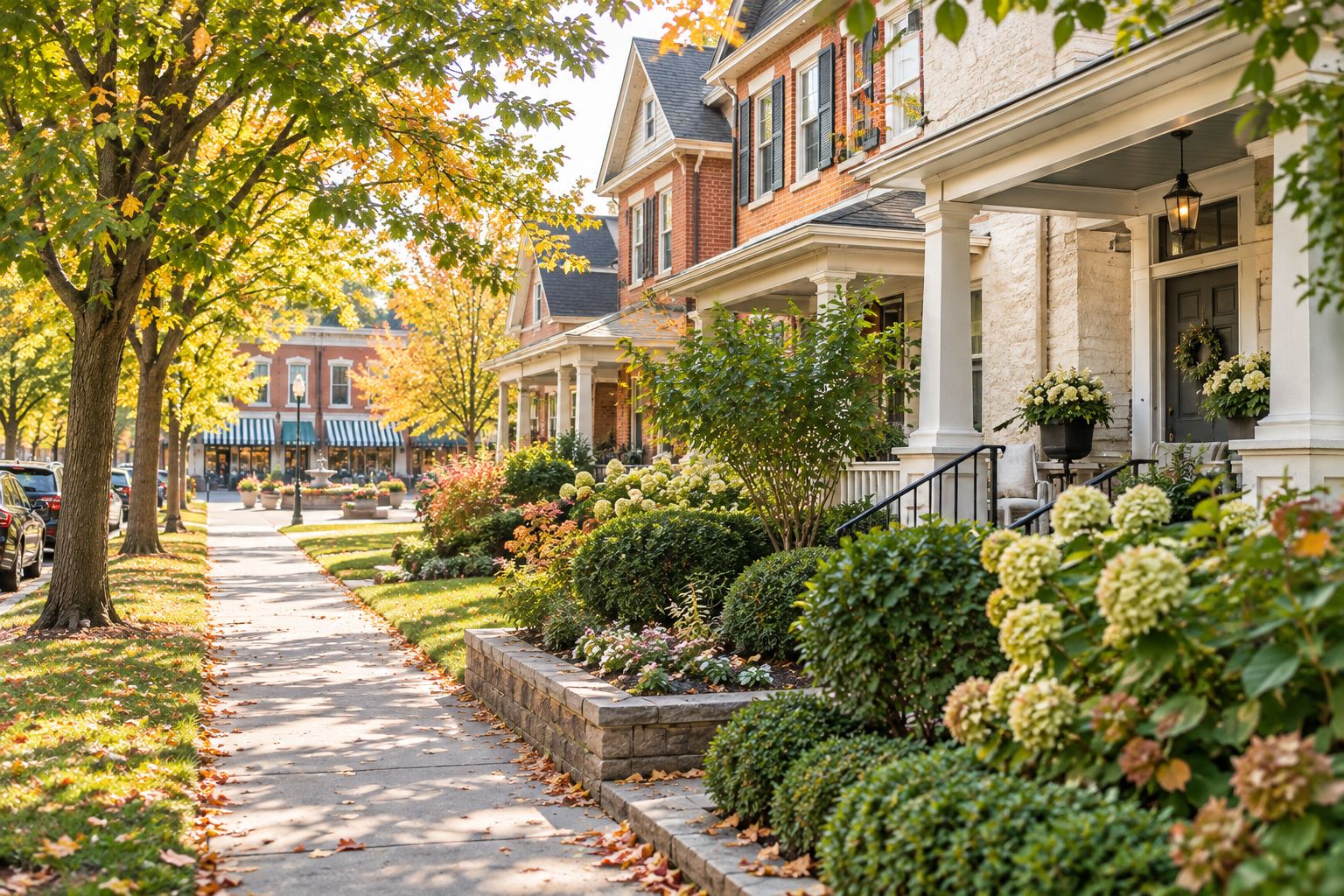
Mount Lookout sits right next to Hyde Park and shares the same architectural DNA — brick and stucco homes from the early 1900s, front porches, and a compact square with restaurants and shops. It's the neighborhood buyers land on when they want the Hyde Park feel without competing directly for Hyde Park's own listings.
Mount Lookout pros:
- Architecture and lot sizes closely mirror Hyde Park
- Mount Lookout Square delivers the same walkable retail mix
- Adjacent to Hyde Park, so the commute pattern is identical
Mount Lookout cons:
- Inventory turns over slowly — listings get bid on fast
- Lot sizes are still small relative to farther-out suburbs
- Renovation costs run high given the age of the housing stock
Best for: buyers who want the Hyde Park experience without bidding directly against Hyde Park buyers.
Verdict: Buy — the closest analog on this list, worth prioritizing showings here first.
2. Oakley: best Hyde Park alternative for a more attainable entry point
Oakley borders Hyde Park to the northeast and has its own walkable square, but the housing mix skews younger and more varied — postwar ranches sit next to renovated bungalows. It reads as the "starter version" of the Hyde Park lifestyle for buyers priced out of the square itself.
Oakley pros:
- Oakley Square delivers walkable dining and retail
- Broader mix of home ages and styles than Hyde Park
- Closer to I-71 access than Hyde Park proper
Oakley cons:
- Retail corridor traffic and parking get congested on weekends
- Housing quality varies block to block more than in Hyde Park
- Some streets sit closer to commercial zoning than buyers expect
Best for: buyers who want walkability and character but need more flexibility on housing age and layout.
Verdict: Buy — the most realistic entry point for buyers who love Hyde Park's energy but not its competition.
3. Mariemont: best Hyde Park alternative for historic planning and small-town charm
Mariemont is a fully planned village founded in 1923, designed with a preserved town center, tree-lined boulevards, and Tudor Revival architecture from the original build-out. It trades some of Hyde Park's density for a more intentional, historic-district feel.
Mariemont pros:
- Preserved 1920s town plan with a walkable historic square
- Strong sense of architectural consistency block to block
- Mariemont school district carries a solid reputation
Mariemont cons:
- Historic district rules limit what buyers can change on exteriors
- Homes run smaller than typical Hyde Park houses
- Fewer restaurants and shops than Hyde Park or Oakley
Best for: buyers who want historic character and don't mind renovation limits that come with a preserved district.
Verdict: Hold — wait for the right listing rather than force a fit; inventory here is thin.
4. Wyoming: best Hyde Park alternative for public schools
Wyoming is a small city north of Cincinnati built around a classic main street, with a school district that consistently draws families relocating specifically for it. The housing stock leans older and well-kept, similar in feel to Hyde Park's residential blocks even though the commercial district is smaller. Buyers researching top school districts near Cincinnati usually put Wyoming on the shortlist before touring anything else.
Wyoming pros:
- Wyoming City Schools carries a strong regional reputation
- Walkable main street with local businesses
- Established tree cover and consistent housing quality
Wyoming cons:
- Housing turnover is low — few listings hit the market at once
- Property taxes tend to run higher given the school reputation
- Farther from downtown Cincinnati than Hyde Park itself
Best for: families prioritizing a school boundary over walkable-square proximity.
Verdict: Buy — if schools are the deciding factor, Wyoming outranks Hyde Park itself for most families.
5. Terrace Park: best Hyde Park alternative for quiet streets and a slower pace
Terrace Park is a small riverside village east of Cincinnati, built around low density and mature landscaping rather than a commercial square. It shares Hyde Park's tree-lined residential feel but skips the walkable retail entirely.
Terrace Park pros:
- Very low density and minimal through-traffic
- Riverside setting along the Little Miami
- Strong sense of community identity in a small footprint
Terrace Park cons:
- Little to no retail or dining within the village itself
- Very small inventory — few homes sell in a given year
- Requires a drive for daily errands, unlike Hyde Park
Best for: buyers who want quiet and green space more than walkability.
Verdict: Hold — a strong fit for the right buyer, but don't expect to shop this market quickly.
6. Indian Hill: best Hyde Park alternative for privacy and land
Indian Hill is an affluent enclave northeast of Cincinnati where zoning typically calls for a minimum lot size of one acre, producing long driveways, mature tree cover, and almost no shared property lines. It shares none of Hyde Park's walkability but delivers the tree-canopy feel at a much larger scale.
Indian Hill pros:
- Large lots and significant privacy between homes
- Indian Hill Exempted Village School District carries a strong reputation
- Mature, established tree cover across nearly every street
Indian Hill cons:
- No walkable square — errands require a car
- Large lots mean more land and landscaping upkeep
- Zoning limits smaller or starter-style homes
Best for: buyers who want acreage and privacy and don't need a walkable business district.
Verdict: Skip if walkability matters; Buy if land and privacy top your list.
How we ranked these neighborhoods
Each neighborhood was measured against the same six traits from the criteria list above — walkable retail, housing-stock era, school reputation, tree cover, community identity, and commute pattern. None of the six matches Hyde Park on every trait; each earns its spot by winning decisively on two or three. That's why the list reads as a decision tree rather than a leaderboard — pick the trait that matters most to you, then go straight to that neighborhood's section.
Which neighborhood should you choose?
If you're undecided, start with Mount Lookout — it's the nearest structural match to Hyde Park and the safest default for a buyer who isn't sure which trait matters most yet. If your search stalls there because of inventory, Oakley is the next logical stop. If schools or lot size matter more than walkability, skip straight to Wyoming or Indian Hill instead of touring homes that don't fit the actual priority.
Compare These Neighborhoods With a Local Guide
Get a straight read on school zones, lot sizes, and resale trends before you tour.
Sandlin Realtors built its reputation on high-touch representation, and the same discipline Joey Sandlin applies with 20+ years of Southern Ohio real estate experience — reading school boundaries correctly, pricing against real comps, negotiating without pressure tactics — applies just as directly to a buyer comparing Cincinnati neighborhoods in 2026. The questions are the same no matter which zip code you're in: what's the real district boundary, what's the resale trajectory, and what does the lot actually cost you in upkeep.
FAQ
What's the best neighborhood near Cincinnati similar to Hyde Park?
Mount Lookout is the closest match among neighborhoods like Hyde Park Cincinnati offers, sharing the same architecture, walkable square, and residential density. Oakley is the next-closest option for buyers who want a more attainable entry point.
Is Oakley cheaper than Hyde Park?
Oakley generally offers a more attainable entry point than Hyde Park thanks to its broader mix of home ages and styles. Exact listing prices vary block by block, so compare current inventory directly.
Which Cincinnati suburb has the best schools like Hyde Park?
Wyoming carries the strongest public-school reputation among the neighborhoods compared here, driven by Wyoming City Schools. Indian Hill's district also draws families prioritizing schools over walkability.
Is Mariemont a good alternative to Hyde Park?
Mariemont works well for buyers who want historic character and small-town planning, since it was founded in 1923 as a fully planned village with a preserved town center. It trades some of Hyde Park's density and retail variety for architectural consistency.
Does Indian Hill have a walkable square like Hyde Park?
No. Indian Hill has no walkable business district and typically requires a car for errands. It's built instead around large lots, often a minimum of one acre, with mature tree cover and significant privacy.
Is Terrace Park walkable?
Terrace Park is low-density and quiet but has little to no retail or dining within the village itself. It suits buyers prioritizing green space and quiet streets over walkable amenities.
What makes Hyde Park Cincinnati desirable in the first place?
Hyde Park combines a walkable square, early 20th-century housing stock, tree-lined streets, and a short run into downtown Cincinnati. That combination is why demand outpaces available listings most of the year.
Should I work with a real estate agent to compare Cincinnati neighborhoods?
A local agent who knows school boundaries, zoning rules, and resale patterns street by street will save you from touring homes that don't match your actual priorities. That local read matters more than a map search in a market moving as fast as Cincinnati's in 2026.
One last thing
Mariemont's zoning and design code has barely changed since the village was platted in 1923 — that's the actual reason its town center still looks like the original architect's plan instead of a patchwork of later additions. Any exterior renovation there runs through a historic review process before permits get pulled, which is worth knowing before you fall in love with a fixer-upper on the square.