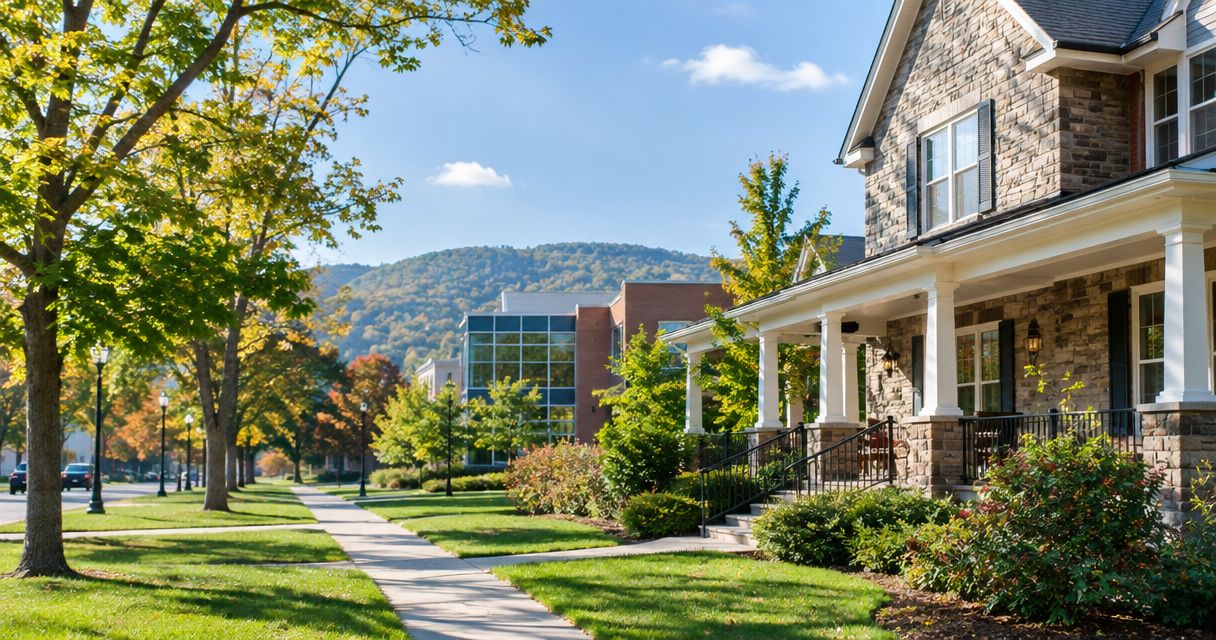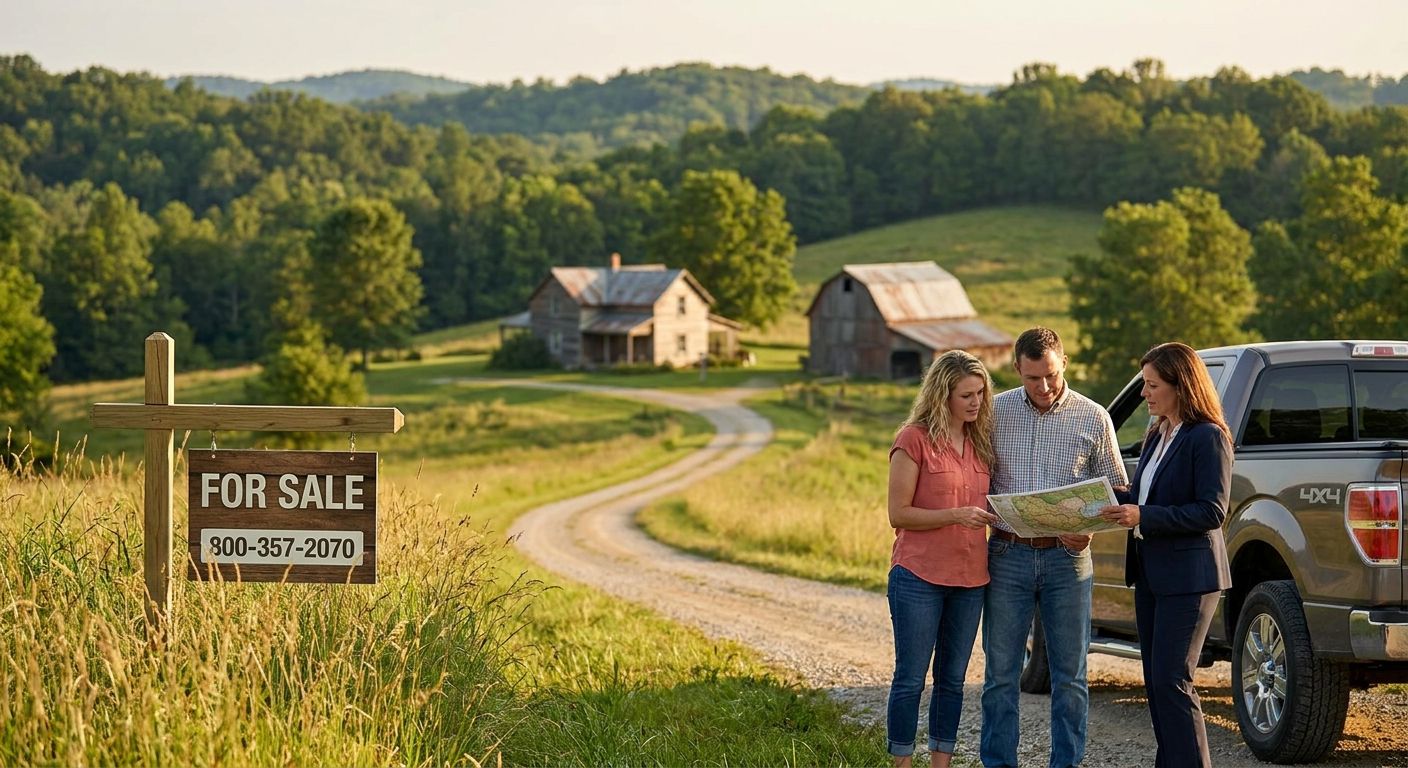
Buying rural property in Southern Ohio in 2026 involves more moving parts than a standard suburban sale: well and septic checks, easements, mineral rights, and financing rules that trip up buyers who skip the details. This guide breaks down the process Joey Sandlin uses with buyers across Portsmouth, Scioto County, Wheelersburg, Lucasville, Otway, Rarden, and South Webster.
- Rural property for sale southern ohio comes with well, septic, and access checks city buyers never face. Skip them at your own risk.
- USDA and conventional land loans differ sharply in 2026 — get pre-approved before you tour a single parcel.
- A local agent who knows Scioto County parcels catches easement and mineral rights issues before they cost you money.
- Title companies experienced with rural deeds close faster than generalists — pick one before writing an offer.
- Acreage near Portsmouth, Wheelersburg, and Lucasville moves quickly in 2026; buyers who skip inspections regret it later.
Why This Matters
Rural land in Scioto County and the surrounding townships doesn't trade like a subdivision lot. Public water and sewer often stop at the city line, financing programs split into categories most buyers have never used, and county records can hide easements that only surface during a title search. Buyers who treat a rural purchase like a standard home sale end up renegotiating after inspection, or worse, closing on a parcel with a septic system that can't support the house they planned to build.
Sandlin Realtors has walked buyers through this exact process across Portsmouth, Wheelersburg, Lucasville, Otway, Rarden, and South Webster for over 20 years. The steps below reflect what actually slows down or speeds up a rural closing in 2026.
What You'll Need
- Financing lined up in advance — a pre-approval letter that specifies land, USDA Rural Development, or conventional mortgage terms, since rural lenders underwrite differently than city lenders
- A target radius and use case — recreation, homestead, or long-term investment changes which parcels are worth touring
- A local agent who can pull comparable rural sales, not just subdivision comps
- A well and septic inspector on call, separate from your general home inspector
- A title company familiar with rural deeds, easements, and mineral rights research
- Time — rural closings in Southern Ohio typically run longer than in-town sales because surveys and perc tests take weeks, not days
The Steps
1. Define What "Rural" Means for Your Purchase
Rural property covers a wide range: a few wooded acres for hunting, a working homestead with outbuildings, or a full farm parcel. Get specific before you start touring, because access requirements, financing, and inspection needs change with the use case.
Buyers hunting for recreation land often start with hunting and recreation land in Southern Ohio, where minimum acreage and road access matter more than square footage of a house. Buyers planning to build or homestead need a different checklist entirely — soil quality, well yield, and utility access move to the top.
Common mistake: touring parcels before deciding on use case, which leads to falling for a pretty lot that can't support the plan.
2. Get Pre-Approved for the Right Loan Type
Standard conventional mortgages work for land with an existing, code-compliant house. Vacant or partially improved acreage often needs a land loan or a USDA Rural Development loan, both of which carry different down payment and appraisal rules than a suburban mortgage.
Start this conversation with a lender before you fall for a listing. Southern Ohio's rural counties, including Scioto County, generally qualify for USDA programs, but eligibility depends on the specific parcel address, not just the county name.
Common mistake: assuming a pre-approval for a $200,000 in-town home transfers directly to a bare land purchase. It doesn't.
3. Work With an Agent Who Knows the Parcels, Not Just the Zip Code
Rural listings hide details that never show up in a standard MLS photo set: a shared driveway easement, a gas lease on the mineral rights, or a septic system rated for three bedrooms on a five-bedroom house. An agent who has closed rural deals in the area catches these before they become renegotiation points.
If you're still choosing representation, how to find a realtor in Scioto County walks through what to ask before you sign a buyer's agreement.
Common mistake: hiring an agent based on total sales volume in Cincinnati or Columbus, without asking how many rural closings they've actually handled.
4. Tour With Access and Utilities in Mind
On a rural showing, spend as much time outside the house as inside it. Check the road — is it a public township road maintained year-round, or a private easement that could flood out in spring? Confirm electric service reaches the structure, and ask whether the parcel is on a shared well or an individual one.
Parcels near Portsmouth and the broader Scioto County market vary widely on this point. Some land for sale in Portsmouth, Ohio sits minutes from town with full utility access; other parcels a few miles out run on well and septic exclusively.
Common mistake: assuming utility access because neighboring properties have it. Confirm it for the specific parcel.
5. Order the Well, Septic, and Perc Tests Early
Well water quality and septic capacity are the two issues most likely to kill a rural deal after inspection. A perc test (percolation test) determines whether soil can support a septic system at all, and it needs to happen before you're locked into a closing date.
Build these tests into your purchase contract as contingencies, and schedule them the week your offer is accepted, not the week before closing.
Common mistake: skipping the perc test on a vacant lot because "the neighbors have septic," then discovering the specific soil composition on your parcel won't support one.
6. Review the Survey, Easements, and Mineral Rights
Order a current survey if the seller doesn't already have one, and read it against the title commitment line by line. Southern Ohio has a long history of mineral leases tied to coal, gas, and timber rights, and some of those leases survive a sale even when the surface changes hands.
Ask directly whether mineral rights convey with the sale. If they don't, understand what that means for any future drilling or extraction activity on your land.
Common mistake: treating the survey as a formality instead of the document that defines exactly what you're buying.
7. Negotiate With Rural-Specific Contingencies
A standard purchase contract written for a suburban home won't cover well flow rate, septic capacity, or road maintenance responsibility. Add contingencies specific to rural property before you submit an offer, not after.
This is where a locally experienced agent earns their fee: knowing which contingencies rural sellers in Southern Ohio typically accept, and which ones signal a deal-breaker.
Common mistake: using a generic contract template pulled from a national real estate site instead of one built for rural Ohio transactions.
8. Close With a Title Company That Knows Rural Deeds
Rural closings involve more document review than in-town sales: easement language, mineral reservations, and sometimes decades-old deed descriptions that use metes and bounds instead of a plat map. A title company unfamiliar with this can add weeks to your timeline.
For buyers closing in the Portsmouth area, how to choose a title company in Portsmouth covers what to ask before you select one.
Common mistake: letting the lender pick the title company by default, without checking rural deed experience.
Talk to Sandlin Realtors before you offer
Get local guidance on rural parcels across Southern Ohio.
Troubleshooting
- The perc test fails. Ask the seller for a soil map from the county health department before walking away — some parcels support alternative septic systems at added cost, others simply won't perk.
- The survey shows an easement you weren't told about. Get the exact language reviewed by your title company before closing; some easements are cosmetic, others limit where you can build.
- The lender balks at the land loan. Not every lender handles rural or USDA financing well. Switch lenders rather than switch to a loan product that doesn't fit the property.
- The well flow rate is low. Request a flow test, not just a water quality test. Low yield can mean seasonal shortages that a single-day test won't catch.
- Mineral rights don't convey. Confirm what's actually being leased or reserved, and whether any current extraction activity exists on or near the parcel.
- The road isn't publicly maintained. Ask who is responsible for upkeep and snow removal in writing before closing, especially heading into winter months in 2026.
Tools and Resources
- County auditor's website for parcel history, tax records, and prior sale prices
- A licensed well and septic inspector, booked separately from your general home inspector
- Land for sale in Portsmouth, Ohio for current listing patterns near town
- Hunting and recreation land in Southern Ohio if acreage and access matter more than square footage
- A rural-savvy lender pre-qualified for USDA or land loan products before you tour
What to Do Next
Once you've narrowed down a target area, the next move is picking representation that actually knows the parcels you're considering, not just the county name. How to find a realtor in Scioto County covers the specific questions to ask before signing a buyer's agreement in 2026.
FAQ
What's the best way to find rural property for sale in Southern Ohio?
Work with an agent who closes rural deals regularly in Scioto County and the surrounding townships, since rural listings carry easement, septic, and mineral rights details that don't show up in a standard search. Sandlin Realtors covers Portsmouth, Wheelersburg, Lucasville, Otway, Rarden, and South Webster directly.
Is a USDA loan better than a conventional mortgage for rural land?
A USDA Rural Development loan often fits vacant or lightly improved rural parcels better than a conventional mortgage, since eligibility and down payment rules are built for that property type. Confirm eligibility for the specific address before assuming it qualifies.
How much does a perc test cost for rural land in Ohio?
Costs vary by county and soil type, so get a quote from a licensed tester before writing an offer. Build the perc test into your purchase contract as a contingency rather than paying for it on a property you might not close on.
Do mineral rights automatically transfer when you buy rural land in Southern Ohio?
Not always. Southern Ohio has a long history of coal, gas, and timber leases that can survive a change in surface ownership, so confirm mineral rights status in the title commitment before closing.
How long does it take to close on rural property in 2026?
Rural closings generally run longer than in-town sales because surveys, perc tests, and well inspections take weeks rather than days. Build extra time into your contract timeline compared to a standard suburban purchase.
What should I check before buying land near Portsmouth, Ohio?
Confirm road access and maintenance responsibility, utility availability, well and septic capacity, and mineral rights status before making an offer. Land near Portsmouth varies widely on utility access even within a few miles.
Can I build a house on any rural parcel I buy?
Only if the soil passes a perc test for septic and the parcel has legal, maintained road access. Confirm both before purchase, since some scenic parcels simply can't support a septic system.
Should I use the same agent for a rural land purchase as a regular home purchase?
Only if that agent has closed rural deals specifically, since rural transactions involve contingencies and inspections that standard home purchases don't. Ask about rural closing volume before signing a buyer's agreement.
One Last Thing
The detail buyers overlook most often isn't the septic system or the survey — it's road maintenance responsibility. A parcel with a shared or private drive can leave you personally responsible for grading and snow removal, a cost that never shows up in the listing price. Ask this question before you fall in love with the view.